Shadow fleet keeps Russia’s oil exports beyond Western reach

Since 2022, sweeping Western sanctions have reshaped but not halted Russia’s global oil exports.
In a nutshell
- Price caps target revenues while preserving global supply
- The shadow fleet enables covert shipping, insurance and financing
- Parallel trade networks may outlast war and sanctions
- For comprehensive insights, tune into our AI-powered podcast here
Since Russia’s full-scale invasion of Ukraine in February 2022, the country has become one of the most heavily sanctioned in modern history. Unprecedented and coordinated measures from the United States, European Union, United Kingdom, Japan, Canada, Australia and other allied countries have targeted nearly every major sector of the Russian economy. Energy exports face price caps and restrictions on shipping and insurance, major banks are cut off from the international financial system, imports of advanced technology and critical components for industry and the military are blocked, while thousands of officials and business elites have had their assets frozen. Sanctions specifically targeting the oil sector are designed to weaken one of Moscow’s core pillars of export revenue.
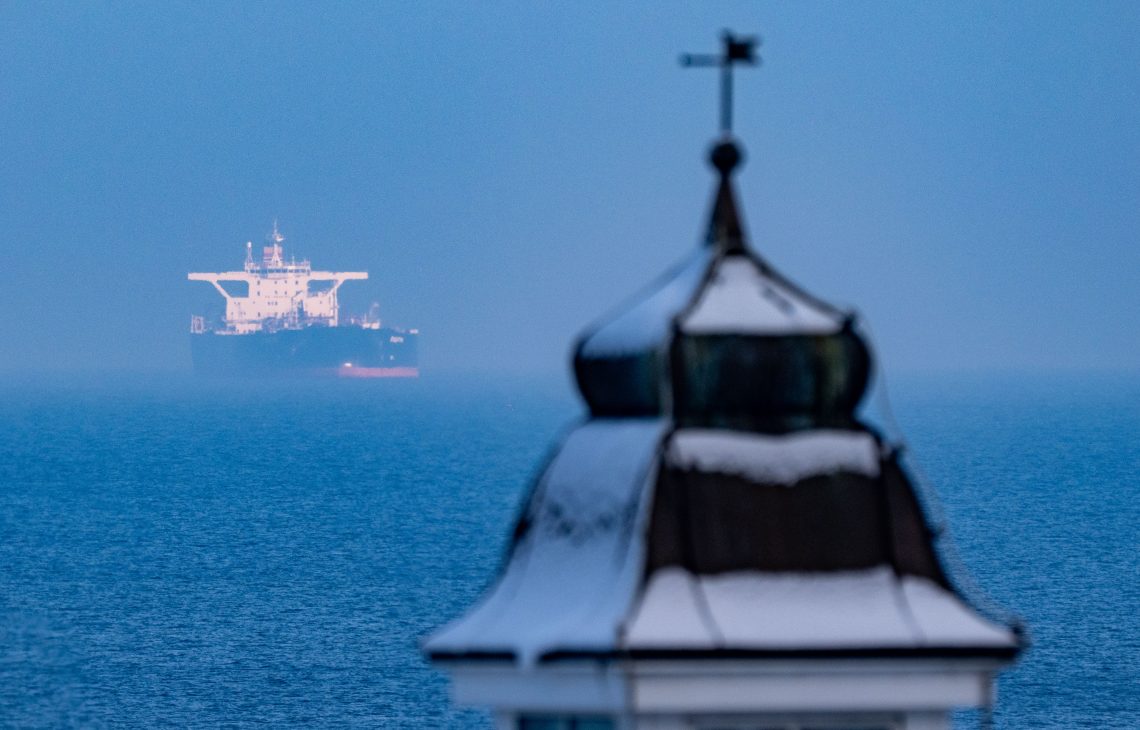
While these measures have not stopped Russia’s oil trade, they have forced the country to find ways to circumvent restrictions, restructuring how it sells, ships and finances its oil trade to maintain export volumes. Russia remains the world’s second-largest oil exporter after Saudi Arabia. This persistence is largely due to adaptations in logistics and trade networks, most notably the reliance on its so-called “shadow fleet.” This is a network of tankers that turn off their tracking transponders to conceal their true location, operating with opaque ownership and alternative insurance arrangements that allow Russia to bypass sanctions.
In addition to the use of non-traditional banking channels, these workarounds have enabled Moscow to maintain substantial export volumes and reach key buyers in Asia, namely China and India. Combined with the sometimes strategic, sometimes forced discounts for its buyers, these steps have proven effective in sustaining trade despite the price cap and other restrictions imposed by the U.S. and Europe.
These actions combined point not only to a temporary fix, but to a deeper shift.
These actions combined point not only to a temporary fix, but to a deeper shift. The central question is no longer how long Russia can maintain its oil exports under sanctions, but whether the alternative shipping, insurance and financing systems built so far during the Kremlin’s ongoing war have created a durable parallel trade architecture.
Even if efforts to achieve a Russia-Ukraine peace deal eventually lead to something and sanctions relief follows, there is little indication that Moscow will revert to Western-dominated trade mechanisms. The Kremlin instead may formalize and retain these parallel channels, ensuring that its oil export system remains structurally less dependent on Western services.
Facts & figures
Leading global crude oil exporters

A flurry of sanctions
Over the past three years, Western sanctions have placed sustained pressure on Russia’s oil trade. These measures have focused less on halting flows outright and more on constraining the infrastructure that underpins oil exports, particularly shipping, financing and insurance, to reduce revenues while still keeping global markets supplied.
The EU moved first to sever its own dependence on Russian oil, imposing a ban on seaborne imports of Russian crude in December 2022, followed by a ban on petroleum products in February 2023. Limited exemptions were granted to a few landlocked and energy-dependent member states, including Hungary, Slovakia and the Czech Republic, allowing continued pipeline imports under strict conditions. Prague definitively ceased any remaining imports of Russian oil in April 2025; Hungary and Slovakia still have not.
Also in December 2022, the G7 and the EU addressed third-country trade by introducing a price cap on Russian seaborne crude delivered to non-G7 and non-EU countries. It was initially set at a fixed level of $60 per barrel, whereby Russian oil could continue to flow to countries such as China and India, but only if sold at or below the cap when Western shipping, insurance or financial services were used.
In late 2025, the EU shifted from a fixed threshold to a dynamic pricing mechanism, whereby the cap is set at 15 percent below the average market price of Urals crude – Russia’s main export grade – over the previous six months, a formula that lowered the effective cap to around $48 per barrel at the time of its introduction. As of mid-January 2026, the price cap was just over $44 per barrel.
The price cap’s effectiveness depends on Western dominance in maritime insurance and trade finance, which underpin the global oil trade. By conditioning access to these services on compliance with the cap, Western governments sought to exert leverage over Russian oil exports beyond their own borders.
Facts & figures
Destination of Russian crude shipments

Obscuring the oil trade step by step
Faced with such restrictions, Russia sought alternatives that minimize its reliance on Western services. In doing so, it borrowed and adapted practices previously used by other heavily sanctioned oil exporters, notably Iran, employing opaque ownership structures, off-track routing and other evasive tactics.
The resulting shadow fleet transports sanctioned oil outside conventional regulatory and monitoring systems. The vessels avoid tracking by the Automatic Identification System (AIS), which ships and service providers use to identify and monitor maritime traffic in real time. Shadow fleet operations include ship-to-ship transfers, offloading in third countries and frequent reflagging under “flags of convenience.” This means the vessels are registered in foreign countries with looser regulations, which helps hide ownership and cargo origin, complicates tracking and makes it harder for authorities to enforce sanctions.
Coverage and financing come from Russian state-linked insurers, alternative brokers and non-Western market participants willing to underwrite higher-risk operations. In some cases, insurance is provided through Russian mutual-guarantee schemes or state-backed pools, absorbing losses that traditional reinsurers would not cover. Smaller specialty insurers in some Russia-aligned countries also offer hull, cargo or reinsurance coverage. Financing is typically handled by Russian entities and affiliated banks, often using non-Western currencies or informal credit arrangements.
Facts & figures
The global oil trade and Russia’s role
- Russia is the world’s third-largest oil producer after the U.S. and Saudi Arabia.
- The G7 Oil Price Cap Coalition is applicable to Russian crude oil since December 5, 2022, and to Russian petroleum products since February 5, 2023.
- In marine insurance, companies such as Lloyd’s of London, AXA XL, Allianz and Swiss Re control most coverage for hulls and cargo, while major banks, including BNP Paribas, HSBC, Citibank and Standard Chartered, dominate trade finance in dollars and euros.
- Russia is the most sanctioned country in the world, with over 24,000 sanctions entries, far more than Iran, Syria or North Korea
- The EU adopted 19 sanctions packages against Russia between February 2022 and December 2025.
- A study published by Brookings on the ownership of 75 shadow vessels sanctioned by the U.S. in January 2025 reveals that Greek shipping companies remain the single biggest supplier of ships to the shadow fleet, and operators from Western Europe as a whole supply two-thirds of the shadow fleet’s shipping capacity.
Vessels are procured and operated through a mix of mechanisms. Some are older tankers acquired directly by Russian interests, while others are leased or managed via companies in jurisdictions that tolerate or overlook sanction-evasion activities.
The fleet evolves constantly as vessels are added, reflagged or retired, reflecting a cat-and-mouse dynamic with international authorities. Estimates of the scale of Russia’s shadow fleet vary significantly, in part because of the opacity surrounding it. EU sanctions documentation shows that the total number of tankers subject to port access bans and service restrictions in 2025 climbed into the 500-plus range, but this only reflects vessels that have been identified and listed, not the entire fleet. Broader tracking by industry analysts and sanctions authorities suggests the network of Russia’s shadow fleet could easily exceed 1,000 vessels.
Increasing the pressure
To counter the expansion of the shadow trade, Western authorities have stepped up the pressure.
In 2025, the U.S. escalated sanctions on Russia’s oil sector by going one step further and targeting key buyers of sanctioned Russian oil. These secondary sanctions focused on refiners in India, penalizing purchases of Russian crude through tariffs and trade restrictions. At the same time, the White House directly sanctioned Rosneft and Lukoil – Russia’s largest oil exporters with operational assets outside Russia.
By targeting the exporters and purchasers, rather than individual shipments, the secondary sanctions attempt to cripple Russia’s ability to operate globally, forcing intermediaries and buyers to navigate higher legal, financial and operational risks.
Throughout 2025, the EU too stepped up the pressure, introducing a series of measures specifically targeting the shadow fleet, expanding blacklists, asset freezes and access restrictions.
Additionally, since late 2025, the U.S. has begun boarding and seizing a small number of shadow fleet tankers. The UK has supported certain American seizure efforts and has threatened that it might also seize Russia-linked shadow fleet vessels.
However, the practical effectiveness of all those measures remains uncertain, raising questions about whether sanctions and related enforcement steps can constrain the fleet’s operations. Oil markets have hardly reacted to the measures, reflecting the prevailing skepticism about the effectiveness of sanctions in curtailing Russia’s oil trade.
Facts & figures
Daily spot market price for Brent crude (2022-2025)

Escalating attacks
Meanwhile, Ukraine has escalated its campaign against Russia’s shadow fleet in the Black Sea. On November 28-29, Ukrainian naval drones struck and disabled two sanctioned tankers, Kairos and Virat, both part of Russia’s sanctions-evading network. The strikes, carried out tens of nautical miles off the Turkish coast, effectively put the vessels out of service. A third strike on December 10 targeted the Comoros-flagged tanker Dashan as it sailed with its transponder off toward Novorossiysk – a major port city on Russia’s Black Sea coast. Ukrainian reports said the attack critically damaged the vessel’s stern. These operations mark a shift from attacks on land-based infrastructure to direct strikes on maritime vessels, increasing both operational and insurance risks for Russia’s shadow fleet.
Whether such actions can succeed where sanctions have fallen short, and at what cost in terms of escalation, safety and environmental risk, is now a central question for the sustainability of Russia’s oil trade.
The rising momentum of shadow fleet attacks highlights a key Russian vulnerability: These tankers are often isolated and lightly defended, making them easy targets for asymmetric maritime operations. However, such attacks also raise complex legal and diplomatic questions, particularly when they occur near or within the exclusive economic zones of coastal states like Turkiye, which has voiced concerns about threats to navigation safety, civilian shipping and environmental risk as hostilities extend into broader maritime spaces. The International Transport Workers’ Federation has warned that attacks put civilian seafarers at serious risk, emphasizing that crews are non-combatants and must be protected under maritime and humanitarian law.
Read more on oil markets by Dr. Carole Nakhle
- U.S. oil production: A peak in sight
- Venezuela’s oil sector remains uninvestable
- Iran’s oil sector: Strategic presence, diminished influence
The environmental risks are heightened by these direct attacks. Striking tankers that carry crude or refined products could trigger major oil spills, with severe ecological and economic consequences in busy maritime areas such as the Black Sea. Opaque ownership and limited insurance coverage complicate liability and cleanup responsibilities, creating uncertainty over who would bear the costs. Russia could exploit this risk, for instance by not fully offloading cargo after a voyage, meaning that if vessels are hit, the resulting spill could generate significant international outcry and political pressure.
Despite the disruptions caused, it would be simplistic to view attacks on shadow fleet tankers as a decisive solution. Russia’s sanctions-busting fleet is large, adaptable and geographically dispersed. Replacing damaged vessels, rerouting shipments or shifting operations to less exposed waters remain options so long as demand from major buyers persists. Moreover, the environmental, legal and diplomatic risks associated with attacking commercial vessels place natural limits on the scale and frequency of such operations. As a result, while Ukrainian attacks may reinforce sanctions, they are unlikely to eliminate Russia’s ability to export oil through alternative channels.
Scenarios
Whether under sanctions or after agreeing to a peace in Ukraine, the Russian oil trade has already entered a new phase, capable of functioning with minimal reliance on Western services, though operational risks and geopolitical uncertainties will remain.
Likely: Moscow’s alternative crude trade network to remain
Sanctions continue to shape Russia’s oil trade, but the shadow fleet and alternative financing channels allow exports to continue at significant levels. Ukraine’s attacks and logistical challenges on Russian infrastructure and vessels constrain efficiency, yet Russia continues with repairs and increasingly operates a parallel system outside Western reach. These alternative channels might eventually be legitimized, regardless of a long-sought but still elusive Ukrainian-Russian peace deal, further lessening Moscow’s reliance on Western financial and insurance systems.
Less likely: Russia returns to traditional shipping and trade mechanisms
Escalating operational risks, combined with tightening sanctions, may disrupt the shadow fleet enough to substantially reduce Russian exports. A peace deal could allow Moscow to normalize some trade under reduced sanctions while still using alternative channels for some revenue.
Contact us today for tailored geopolitical insights and industry-specific advisory services.
Sign up for our newsletter
Receive insights from our experts every week in your inbox.